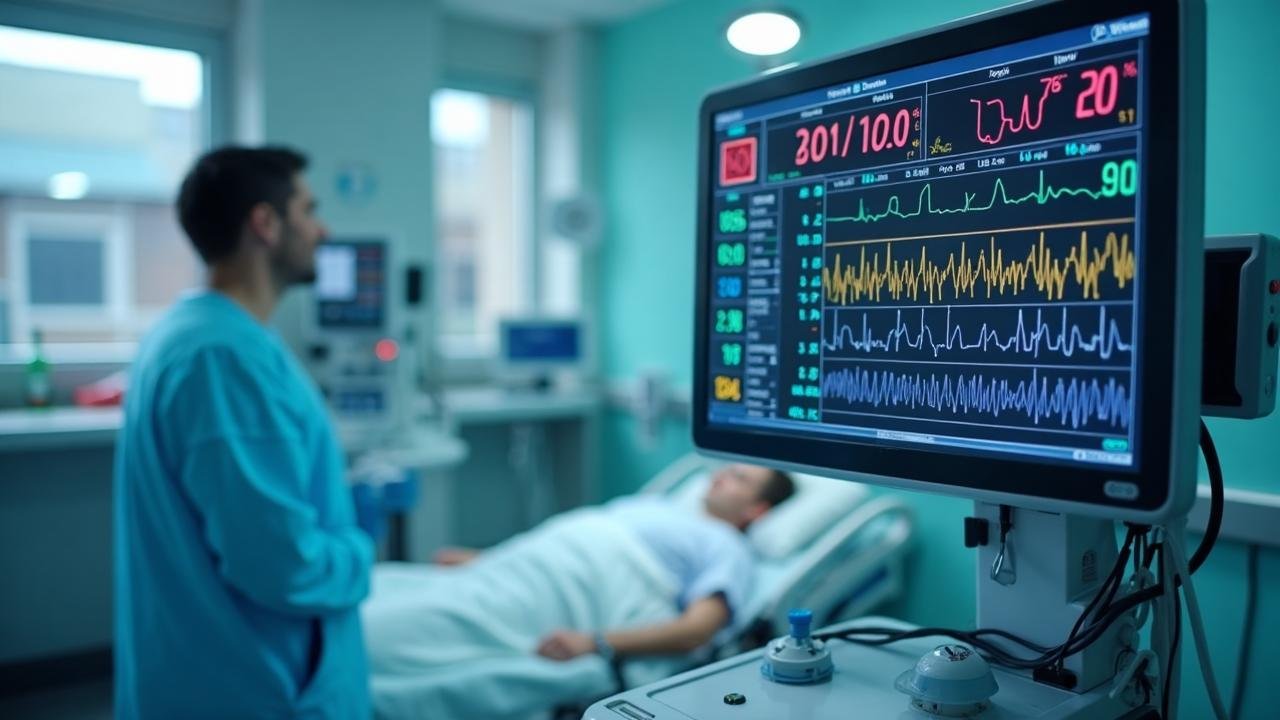
The Importance of Patient Monitoring
In modern healthcare, patient monitoring systems serve as the vigilant guardians of patient safety, providing continuous, real-time surveillance of vital physiological parameters. These sophisticated devices enable healthcare professionals to detect subtle changes in a patient's condition, often before clinical symptoms become apparent, allowing for timely interventions that can save lives.
What are Patient Monitoring Systems?
Patient monitoring systems are electronic medical devices designed to measure, record, and display various physiological parameters continuously or at regular intervals. These systems range from simple bedside monitors in hospital wards to complex multi-parameter monitors in intensive care units (ICUs), operating rooms, and emergency departments.
Key Parameters Monitored
1. Electrocardiogram (ECG/EKG)
ECG monitoring tracks the electrical activity of the heart, displaying it as waveforms that reveal:
- Heart rate and rhythm irregularities
- Signs of myocardial ischemia or infarction
- Electrolyte imbalances
- Effects of cardiac medications
Modern monitors can detect and alert staff to arrhythmias, ST-segment changes, and other cardiac abnormalities instantly.
2. Oxygen Saturation (SpO₂)
Pulse oximetry provides a non-invasive method to monitor blood oxygen levels:
- Normal SpO₂ levels range from 95-100%
- Levels below 90% indicate hypoxemia requiring intervention
- Continuous monitoring is crucial for patients with respiratory conditions
- Also displays pulse rate and waveform quality
3. Blood Pressure
Monitors can measure blood pressure through:
- Non-invasive Blood Pressure (NIBP): Automated cuff measurements at set intervals
- Invasive Blood Pressure (IBP): Continuous measurement via arterial line for critically ill patients
Blood pressure monitoring helps detect hypertension, hypotension, and guides fluid and medication management.
4. Respiratory Rate
Respiration monitoring tracks:
- Breaths per minute (normal adult range: 12-20 breaths/minute)
- Breathing pattern regularity
- Early signs of respiratory distress or depression
- Effectiveness of ventilatory support
5. Temperature
Core body temperature monitoring helps identify:
- Fever indicating infection
- Hypothermia requiring warming interventions
- Effectiveness of fever management strategies
- Complications during surgical procedures
Types of Patient Monitoring Systems
Bedside Monitors
Standard monitors found in hospital rooms and ICUs that display vital signs on a screen at the patient's bedside. These typically monitor ECG, SpO₂, blood pressure, temperature, and respiratory rate.
Telemetry Systems
Wireless monitoring systems that allow ambulatory patients to move around while their cardiac activity is continuously monitored at a central nursing station. Ideal for step-down units and cardiac monitoring units.
Portable Monitors
Compact, battery-powered devices used during patient transport, in emergency departments, or for spot-checking vital signs. These provide flexibility while maintaining monitoring continuity.
Central Monitoring Stations
Networked systems that display data from multiple patient monitors simultaneously at a centralized location, allowing nursing staff to observe all patients in a unit from one location.
Fetal Monitors
Specialized monitors used during pregnancy and labor to track fetal heart rate and uterine contractions, ensuring the well-being of both mother and baby.
Advanced Features in Modern Monitors
Alarm Systems
Sophisticated alarm algorithms alert healthcare providers to:
- Parameter values outside preset limits
- Life-threatening arrhythmias
- Equipment malfunctions or disconnections
- Trending data suggesting gradual deterioration
Trend Analysis
Modern monitors can display historical data as graphs and trends, helping clinicians:
- Identify patterns and changes over time
- Assess response to interventions
- Make informed treatment decisions
- Predict potential complications
Data Storage and Integration
Advanced systems can:
- Store vital sign data for extended periods
- Integrate with electronic health records (EHR)
- Generate reports for quality assessment and research
- Support remote consultation and telemedicine
Clinical Applications
Intensive Care Units (ICU)
Multi-parameter monitors are essential in ICUs for continuous surveillance of critically ill patients requiring close observation and rapid intervention.
Operating Rooms
Anesthesia monitors provide comprehensive monitoring during surgical procedures, including additional parameters like end-tidal CO₂, anesthetic gas concentrations, and neuromuscular function.
Emergency Departments
Patient monitors in emergency settings help triage and manage acute conditions, providing vital information for rapid assessment and treatment decisions.
Post-Anesthesia Care Units (PACU)
Monitors track patient recovery after surgery, detecting complications like hypoxemia, hypotension, or arrhythmias during the critical post-operative period.
Home Healthcare
Portable monitoring devices enable chronic disease management and remote patient monitoring at home, reducing hospitalizations and improving quality of life.
Benefits of Patient Monitoring Systems
- Early Detection: Identifies deteriorating conditions before they become critical
- Improved Outcomes: Timely interventions based on monitoring data improve patient survival and recovery
- Enhanced Efficiency: Allows staff to monitor multiple patients effectively
- Documentation: Provides objective data for medical records and quality improvement
- Patient Reassurance: Continuous monitoring provides peace of mind for patients and families
- Reduced Workload: Automated monitoring reduces the need for frequent manual vital sign checks
Best Practices for Patient Monitoring
- Set appropriate alarm limits based on individual patient conditions
- Respond promptly to alarms and investigate causes
- Ensure proper electrode and sensor placement for accurate readings
- Perform regular equipment checks and maintenance
- Educate patients about monitoring equipment to reduce anxiety
- Review trends and patterns, not just instantaneous values
- Maintain backup systems for critical care areas
- Train staff thoroughly on equipment operation and troubleshooting
The Future of Patient Monitoring
Emerging are transforming patient monitoring:
- Artificial Intelligence: AI algorithms can predict patient deterioration hours before clinical manifestation
- Wearable Technology: Comfortable, wireless sensors enable continuous monitoring without restricting patient mobility
- Telemedicine Integration: Remote monitoring capabilities extend hospital-quality care to patients' homes
- Big Data Analytics: Population-level data analysis improves predictive models and clinical protocols
Conclusion
Patient monitoring systems are indispensable tools in modern healthcare, bridging the gap between clinical observation and technological innovation. As these systems continue to evolve, they promise even greater accuracy, usability, and integration, ultimately contributing to better patient outcomes and more efficient healthcare delivery.
At TCH Medical, we offer state-of-the-art patient monitoring solutions designed to meet the diverse needs of healthcare facilities, from large hospitals to home care settings. Our commitment is to provide reliable, accurate, and user-friendly monitoring systems that support healthcare professionals in delivering exceptional patient care.